2026-10-11 ·
How Hurricanes Damage Roofs in Port Orange
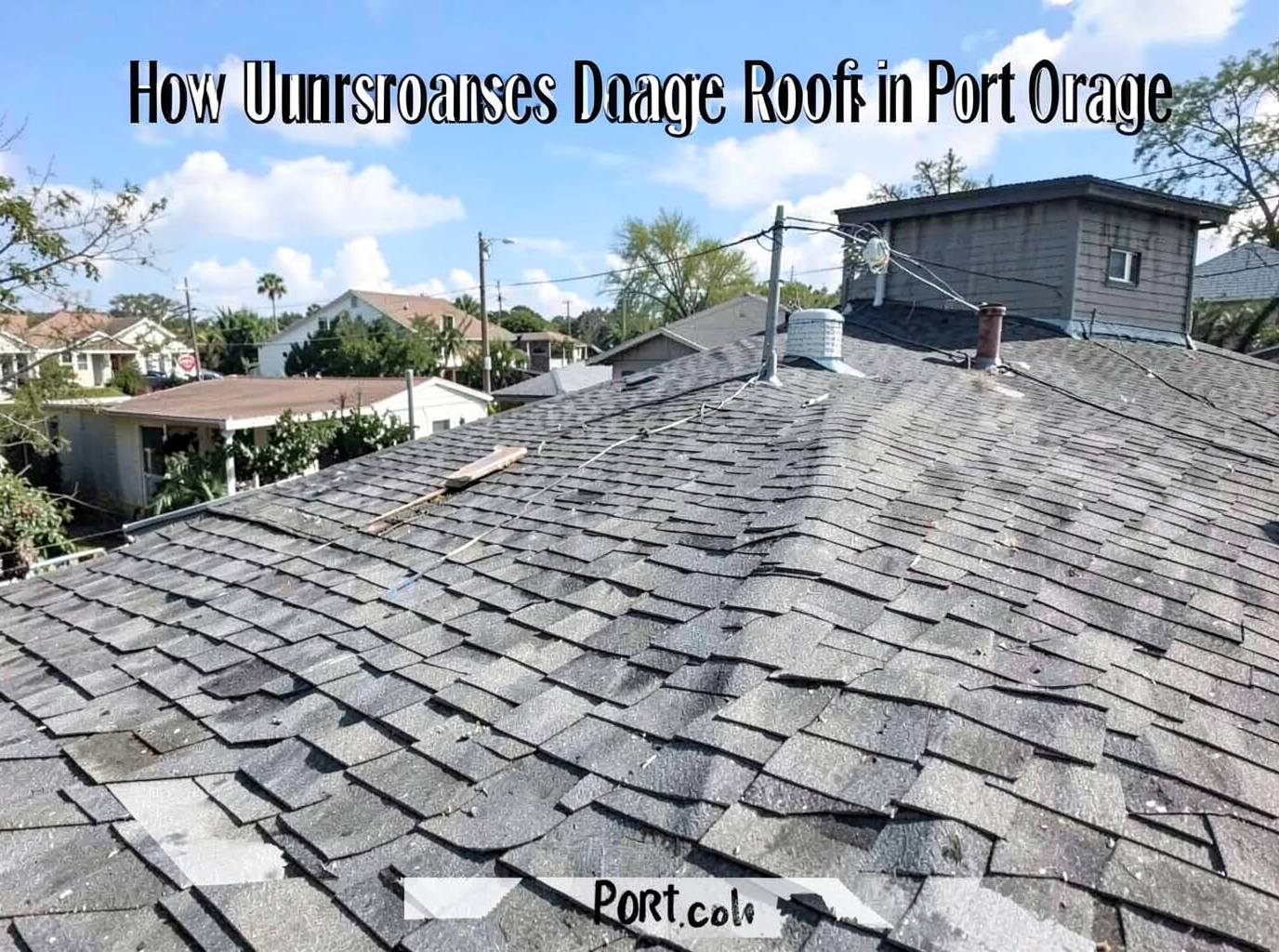
Hurricanes damage roofs in Port Orange most often through sustained winds above 74 mph that create uplift under shingles, followed by driving rain that enters at lifted edges, around vents, and at flashing. Homes in neighborhoods such as Allandale, Spruce Creek, and Twin Lakes see this pattern repeatedly because many structures date to the 1970s and 1980s when fastening standards were lighter.
Wind Uplift on Shingle and Metal Roofs
High winds traveling across the Halifax River and Port Orange Causeway gain speed and hit roofs at low angles, prying up shingles on the windward side. In Cypress Head and Port Orange Hills, where tree cover is lighter, this uplift often starts at the eaves and travels upward, tearing tabs loose after just a few hours of 60-plus mph gusts. Metal roofs in Riverwalk and Dunlawton can suffer seam separation when wind gets under panels that were not screwed at every rib. Once shingles or panels lift, the humid subtropical air that follows keeps moisture trapped beneath, softening underlayment and accelerating rot in the decking.
Debris Impact and Secondary Damage
Hurricane-force winds hurl branches, roof tiles, and lawn furniture across Spruce Creek Park and the Cypress Head Golf Club fairways, turning small objects into projectiles that puncture shingles and dent metal. In Sugar Mill and Twin Lakes, older live oaks drop large limbs that crack ridge caps and skylight frames. These punctures then channel rain directly into attics during the storm's trailing bands, which can last six to twelve hours after the eye passes. Homeowners along the Port Orange Causeway often report interior leaks days later when pooled water finally migrates through compromised felt.
Water Intrusion Through Flashings and Penetrations
Port Orange receives 50-plus inches of rain in a single hurricane event, much of it falling at angles that drive water under step flashing and around plumbing vents. In older Allandale and Dunlawton homes, original flashing was installed with fewer nails and no self-adhered membrane, so water finds its way under shingles within minutes of sustained rain. The mild winters that follow do not dry these hidden pockets quickly, allowing mold to form on rafters before the next inspection. Wind damage roof repair crews routinely trace these leaks back to lifted flashing rather than outright missing shingles.
Post-Storm Assessment Steps for Local Homeowners
After the storm passes, walk the perimeter of homes in South Port Orange and check for granules in gutters and small pieces of shingle in the yard before climbing onto the roof. Document lifted tabs and any daylight visible from the attic, then contact a roofer familiar with Volusia County wind zones. Reading the guide After the Storm: 8 Steps Before You Call a Roofer helps prioritize what needs immediate tarping versus what can wait for daylight. If active dripping occurs near bedrooms or electrical panels, request emergency roof leak repair rather than attempting temporary fixes from a ladder during residual rain bands.